Eion’s first large-scale enhanced rock weathering project applied 15,000 tonnes of olivine to farmland in Mississippi and Louisiana, resulting in the issuance of 748 verified carbon removal credits under the Puro.earth ERW methodology. Backed by agribusiness partners and major carbon credit buyers, the company is betting that faster-dissolving olivine and rigorous measurement can scale ERW into a durable carbon removal pathway. Full article >>
Terradot secured a multiyear agreement for Microsoft to purchase 12,000 tonnes of carbon-removal credits, giving the startup fresh backing to expand one of the most ambitious enhanced-rock-weathering research programs underway in Brazil. The funding will support denser soil and water sampling, watershed-level monitoring, and new low-cost verification methods as Terradot scales ERW operations across tropical farmland. Full article >>
Enhanced rock weathering is gaining traction in central India, where Mati Carbon has worked with more than 16,000 smallholder farmers to spread over 80,000 metric tons of basalt on croplands, supported by philanthropic funding, government grants, and growing carbon-credit sales. The company’s rapid expansion—capped by a $50 million XPRIZE win and new J.P. Morgan financing—signals mounting confidence that ERW can deliver both climate benefits and meaningful income gains for low-income farmers. Full article >>
New analytical tools—from immobile tracers and improved mass-spectrometry techniques to in-field bicarbonate sensors—are helping researchers more accurately measure how much CO2 is removed by enhanced rock weathering as large cropland projects scale up. These advances aim to cut costs, reduce sampling errors, and boost confidence in carbon-credit markets that depend on rigorous verification. Full article >>

Basics of ERW
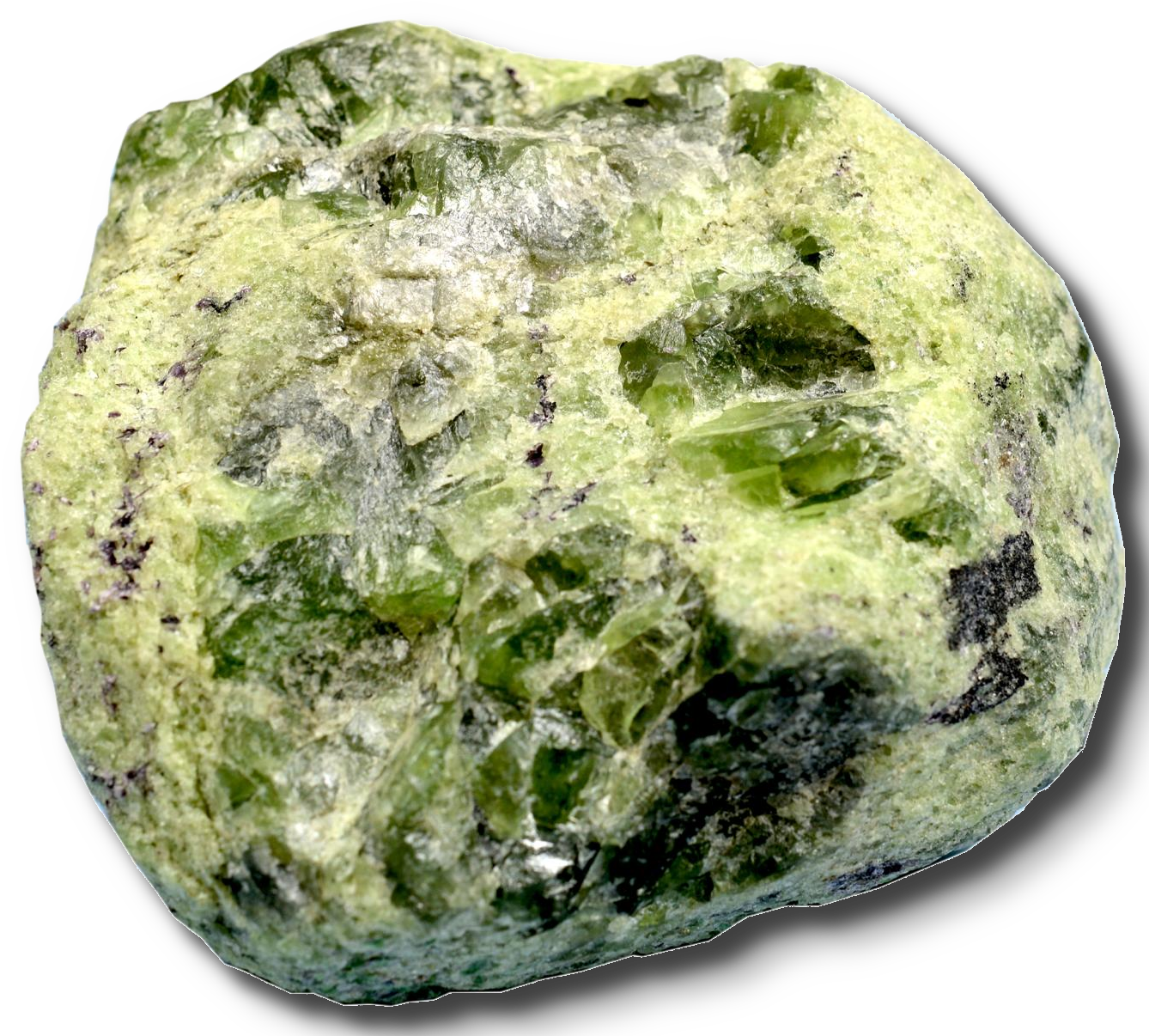
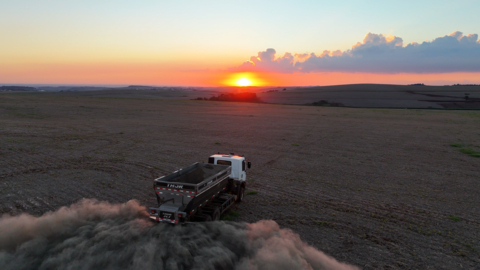
ERW involves crushing to a fine-grained powder (to make it more soluble) and then spreading the powder on land, most commonly cropland. CO2 is removed from the atmosphere through chemical weathering reactions that occur when rainwater infiltrates the soil and dissolves (weathers) the rock powder. ERW aims to mimic — in accelerated fashion — the chemical weathering cycle of rock that occurs in nature.
The weathering reactions -
ERW is essentially a series of acid-base
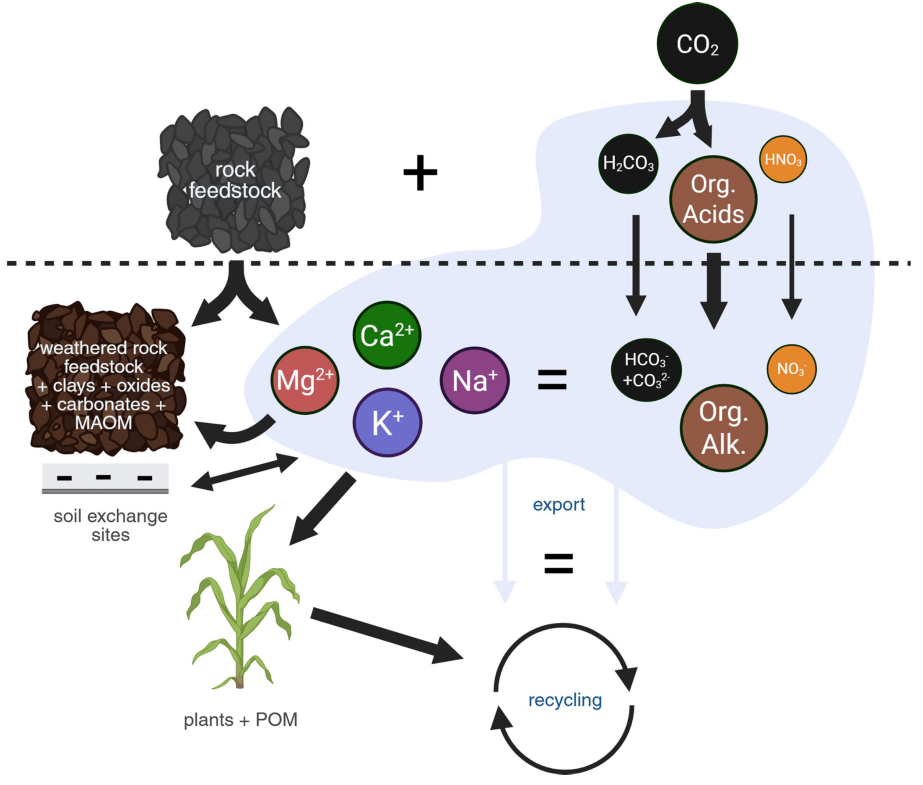
reactions. Simplistically speaking, carbonic acid (H2CO3) in rainwater dissolves rock powder in soil, resulting in a chemically neutral solution in of bicarbonate (HCO3-), a base, and calcium (Ca2+) and magnesium (Mg2+) which are acidic.
The soil water migrates downward in the subsurface carrying the bicarbonate and calcium and magnesium ions to groundwater which eventually migrates to rivers and then to the ocean (see diagram below; Ca2+ and Mg2+ are not shown, but follow the same path as bicarbonate).
Click image to enlarge
Dissolved in ocean water, the bicarbonate (HCO3-), magnesium (Mg2+), and calcium (Ca2+) remain chemically stable over the long term due to their counterbalancing charges. The bicarbonate (HCO3-) contains the C and the O2 that were originally in CO2 in the atmosphere.
Deployment status -
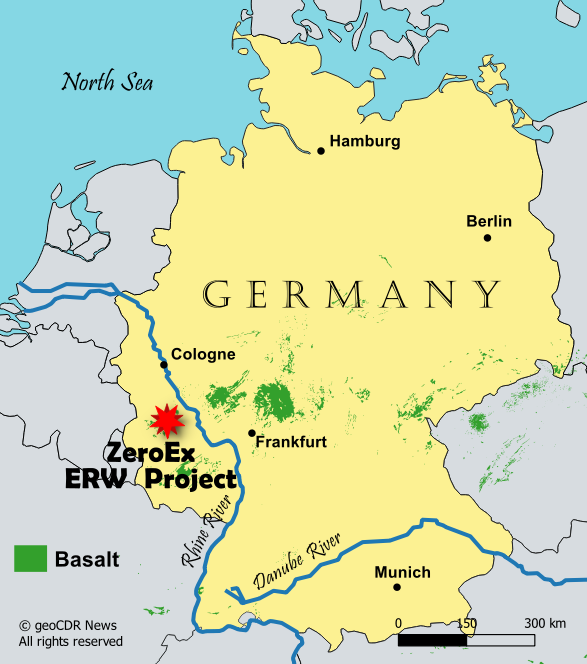
Currently, ERW is being performed on croplands in trials and in the first large-scale commercial operations. The sale of carbon credits in the voluntary market drive commercial operations. A supply chain is developing to support the emerging commercial ERW industry, including project developers and measurement and verification service providers. Crushed basalt or similar rock has been spread on croplands in the following ERW .
Potential adverse
of ERW include: impacts to plants and wildlife from loading agricultural soils with trace metals in rock powder, and loading groundwater, stream waters, and the ocean with bicarbonate that is produced when rock powder is dissolved.
Carbon negative status -
ERW requires a significant amount of energy to mine, grind, and transport rock for rock powder. The energy for an ERW project must come from a low or no carbon source in order to be carbon negative (i.e., remove more carbon dioxide than the project produces). A cradle-to-grave
assessment of a project is necessary for verifying the project will be carbon negative.
Cost per ton of CO2 removed -
ERW costs include: mining, grinding, transporting, spreading rock powder, and . Energy cost of grinding, alone, was in 2024 to range between $0.95 to $5.81 (USD) per ton of rock. The total cost of removing and storing one ton of CO2 using ERW in 2020 was to be between approximately $40 to $375 (USD) per ton of CO2 removed. This cost has been projected to drop to roughly the $40 to $175 range by the year 2050 due to gains in economy of scale and technology advances.
Measurement, reporting, and verification () -
A common
of performing MRV is to measure the increase in bicarbonate (HCO3-), Mg2+, or Ca2+ after applying rock powder to soil. The increase is measured in soil particles, soil water, groundwater, or surface water draining from land areas where rock powder has been applied. MRV methods need refinement to enable ERW projects to sell carbon credits, a potential long-term funding source of a self-sustaining ERW industry.
Rock powder application rates and resulting CO2 uptake -
The results of only a few field-scale ERW projects have been published. A recent in the U.S. reported spreading basalt powder on cropland at the rate of 50 tons per hectare per year over four years, resulting in an estimated cumulative carbon removal rate of about 10.5 tons of CO2 removed from the atmosphere per hectare. This to a CO2 removal rate of 0.05 ton of CO2 per ton of basalt applied to the soil.
Side benefits of ERW -
Applying basaltic rock powder to cropland as a soil amendment has been in a field study to have increased crop yields. The study concluded ERW also added micronutrients to soil (e.g., zinc, copper, managanese, boron, and iron) and has the potential to increase the pH of acidic soils. Another recent field study increased uptake of calcium and phosphorus in crops.
CO2 storage durability -
ERW converts CO2 to bicarbonate (HCO3-) which eventually ends up being stored in ocean water (see explanation above). Storage of bicarbonate in ocean water via ERW is considered to be virtually permanent .
Long-term global CDR potential -
One study estimated ERW applied globally to 7.4 million square kilometers of cropland (1,000 sites) over a 74-year period has the potential to remove a cumulative total of 64
of CO2 from the atmosphere. This compares to the 1,000 gigatons needing removal within the next century in order to cap global warming at 1.5oC above pre-industrial times (circa 1850) — using all types of CDR (estimate by the in 2018).