

"Old" basalts are being assessed for underground CO2 storage in Norway and Faroe Islands
Interest is growing in the Nordic Region for storing captured CO2 underground in basalt and similar rock that underlie land areas. Geologic assessments of suitable rock are currently underway in Norway and the Faroe Islands.
The and chemical reactivity of the rock in these areas are open questions because the rock is much older than in locations in the world where underground storage via has been performed or tested.
The CO2 in potential projects would be captured from the emissions of industrial plants and consequently would not be classified as "carbon dioxide removal" (CDR), because it is not captured directly from the air. Information gained in such non-CDR projects, however, would be useful to any future CDR projects using the method of direct air capture coupled with carbon mineralization storage (DACCM).
Direct air capture with carbon mineralization storage (DACCM) so far has been demonstrated commercially at only two locations worldwide, in Iceland (Climeworks/Carbfix) and Kenya (multiple small projects). Small-scale tests of injecting and storing CO2 underground via carbon mineralization have been performed in Oman, UAE, and the U.S.
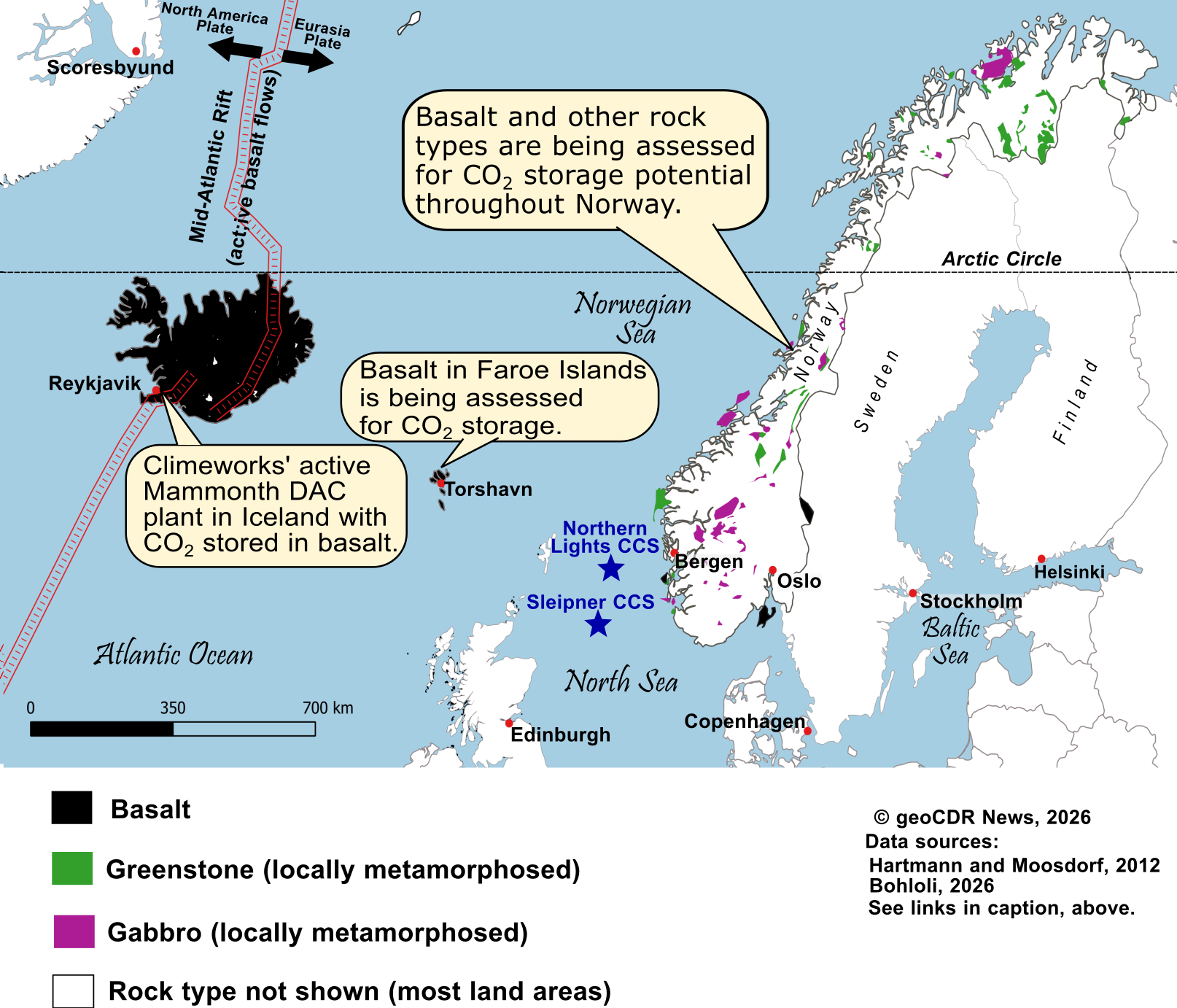
Norway's MiniCCS project
A Norwegian research consortium is exploring whether CO2 can be permanently stored onshore in Norway in basalt and similar rock that is significantly older than those rock types where storage has been performed elsewhere in the world. The project is named the MiniCCS projet, with CCS referring to carbon capture and storage.
“This is the first project to investigate the possibility of storing CO2 in geologically old rock formations,” said project manager Bahman Bohloli of the Norwegian Geotechnical Institute in the for the project.
The MiniCCS project is led by the Norwegian Geotechnical Institute (NGI), an independent research center that provides design and other consulting services to governments and industry, including the oil and gas industry. The project brings together researchers and industry partners to examine whether relatively old basalt layers and similar rock can serve as small-scale storage sites that are close to industrial emission sources. These onshore locations next to industrial emitters could provide a cheaper, simpler alternative to underground offshore storage in sandstone.
The three-year effort has a budget of NOK 14.7 million (€1.3 million) and is funded by Norway’s state CCS enterprise Gassnova, along with industry partners Gassco, Equinor, Norsk Hydro, and mineralization company 44.01 Norway AS. Academic participants include the University of Oslo, the Geological Survey of Norway, and BI Norwegian Business School.
The project emerged in part from requests by industrial companies seeking smaller-scale storage options near their facilities.
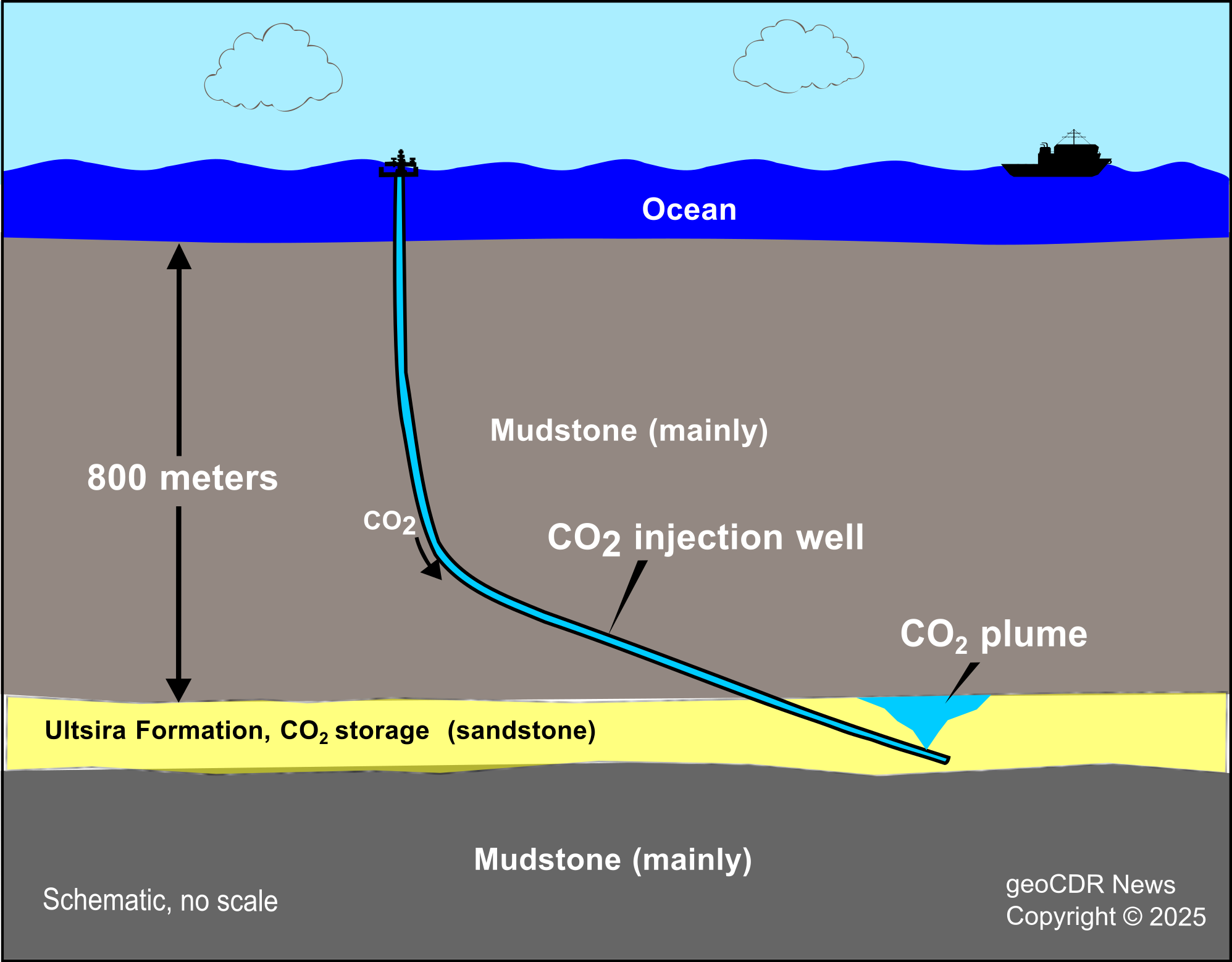
CO2 has been captured from industrial emissions since the 1990s in Norway and stored underground in sandstone layers more than 2,000 meters beneath the North Sea at the Sleipner project. A similar North Sea project, the Northern Lights Project, began in late 2025 (see accompanying map for locations). Both projects are operated by oil company partners.
In the parlance of greenhouse gas management, the Sleipner and Northern Lights projects are carbon reduction projects, rather than carbon removal projects because the CO2 is not removed directly from the air. CCS envisioned in the MiniCCS project would also be carbon reduction, as CO2 is captured from industrial emissions.
Key questions in the MiniCCS project
Researchers involved in the MiniCCS project have begun by mapping locations where Norway’s suitable rocks — formations rich in magnesium and iron — occur relative to major emission sources. These rocks are chemically reactive with CO2, meaning injected carbon dioxide can be converted into stable mineral compounds. The rock types being mapped include basalt, a common rock type in carbon mineralization storage projects, as well as rock types not typically seen in carbon mineralization studies (e.g., gabbro and greenstone, which are locally metamorphosed).
But several scientific questions remain unresolved.
“We need to determine whether there are voids, in the form of pores or fractures in the rock, that provide sufficient volume for CO2 storage,” Bohloli said. The size of these spaces can range from microscopic pores to fractures several centimeters wide.
Equally important is whether the rocks still retain the chemical capacity to react with CO2. If they were exposed to carbon dioxide millions of years ago, researchers say, some of their mineralization potential may already be exhausted. The rocks in Norway that may have CO2 storage potential are more than years old — much older than the less than rock in Iceland where CO2 storage has been successful.
The research team will investigate these questions through field sampling and laboratory analysis.
For Norway — already a leader in offshore carbon storage — the possibility of localized onshore mineral storage could advance the development of underground CO2 storage and industrial decarbonization technologies.
Whether the ancient rocks beneath the country can deliver those advancements is a question the MiniCCS project now aims to answer.
Faroe Islands' DecarbFaroe project
A European-backed carbon storage initiative in the Faroe Islands, a self-governing nation within the Kingdom of Denmark, is also looking at "old" basalt that makes up the 18-island archipelago as a potential CO2 storage target.
The project, known as , brings together energy company Equinor, carbon mineralization firm 44.01, and Jarðfeingi (the Faroese Geological Survey), along with a broader consortium of international partners. Backed by the EU’s Clean Energy Transition Partnership, the effort aims to demonstrate that injecting a solution of CO2 and water into basalt can form stable carbonate minerals underground, offering permanent storage close to emission sources.
All but one of the Faroe Islands are inhabited, with about half of the approximately 54,000 inhabitants living in the capital city of Tórshavn.
CO2 could be captured from a small but concentrated set of industrial emissions on the Faroe Islands that come from energy use in processing, refrigeration, and feed production in the fish processing and aquaculture industry, along with other sources.
The DecarbFaroe project has evolved from earlier research and planning efforts led by Jarðfeingi, including workshops and feasibility studies examining basalt storage as an alternative to North Sea-style offshore sequestration in sedimentary rock.
DecarbFaroe aims to validate the carbon mineralization storage process through a field pilot with the longer-term goal of developing a locally anchored carbon storage industry that supports emissions reduction while creating economic opportunities in the region.
The project structure reflects that ambition. According to project materials, it integrates industry, academia and public stakeholders to demonstrate not only technical feasibility but also economic viability and social acceptance — factors increasingly viewed as critical for scaling carbon removal infrastructure.
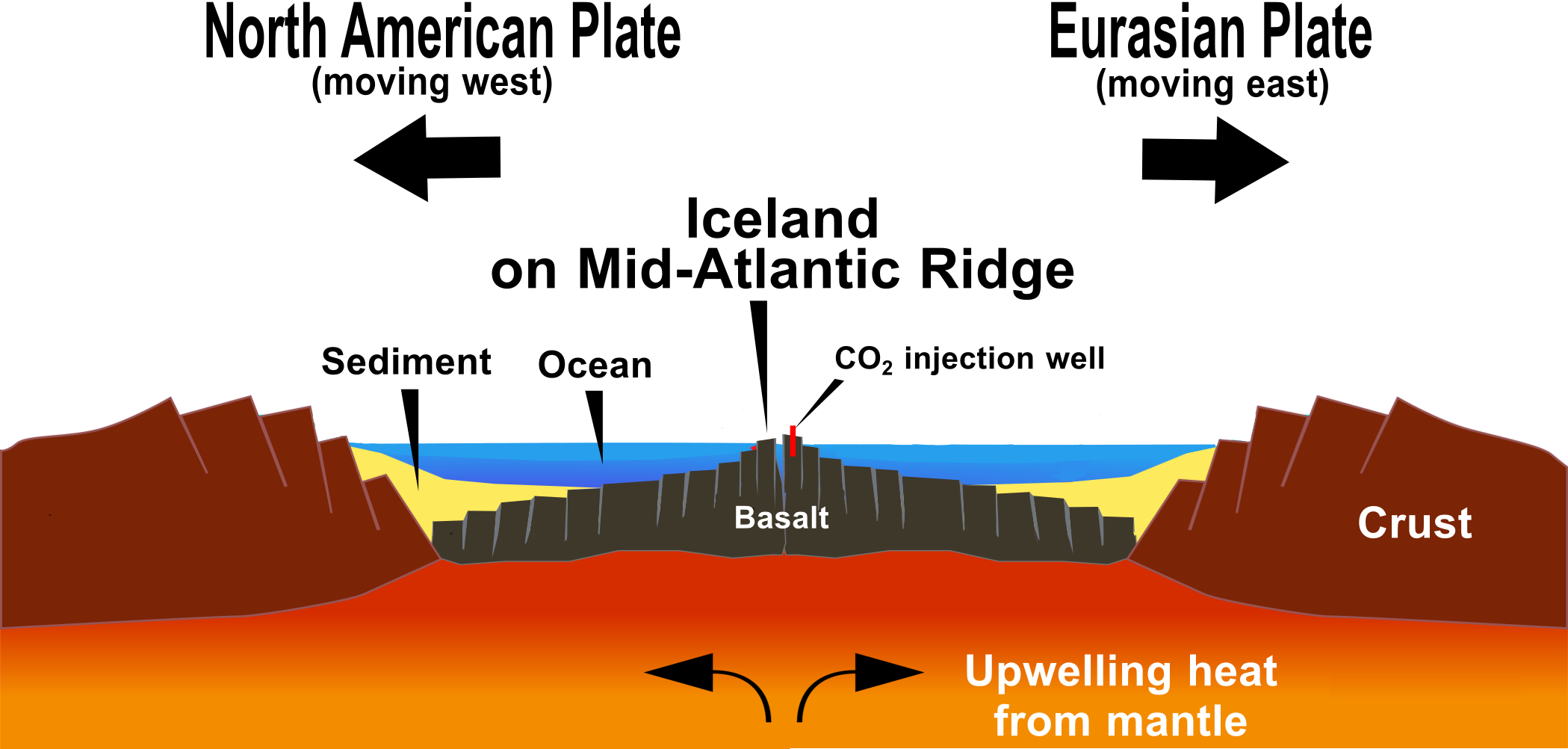
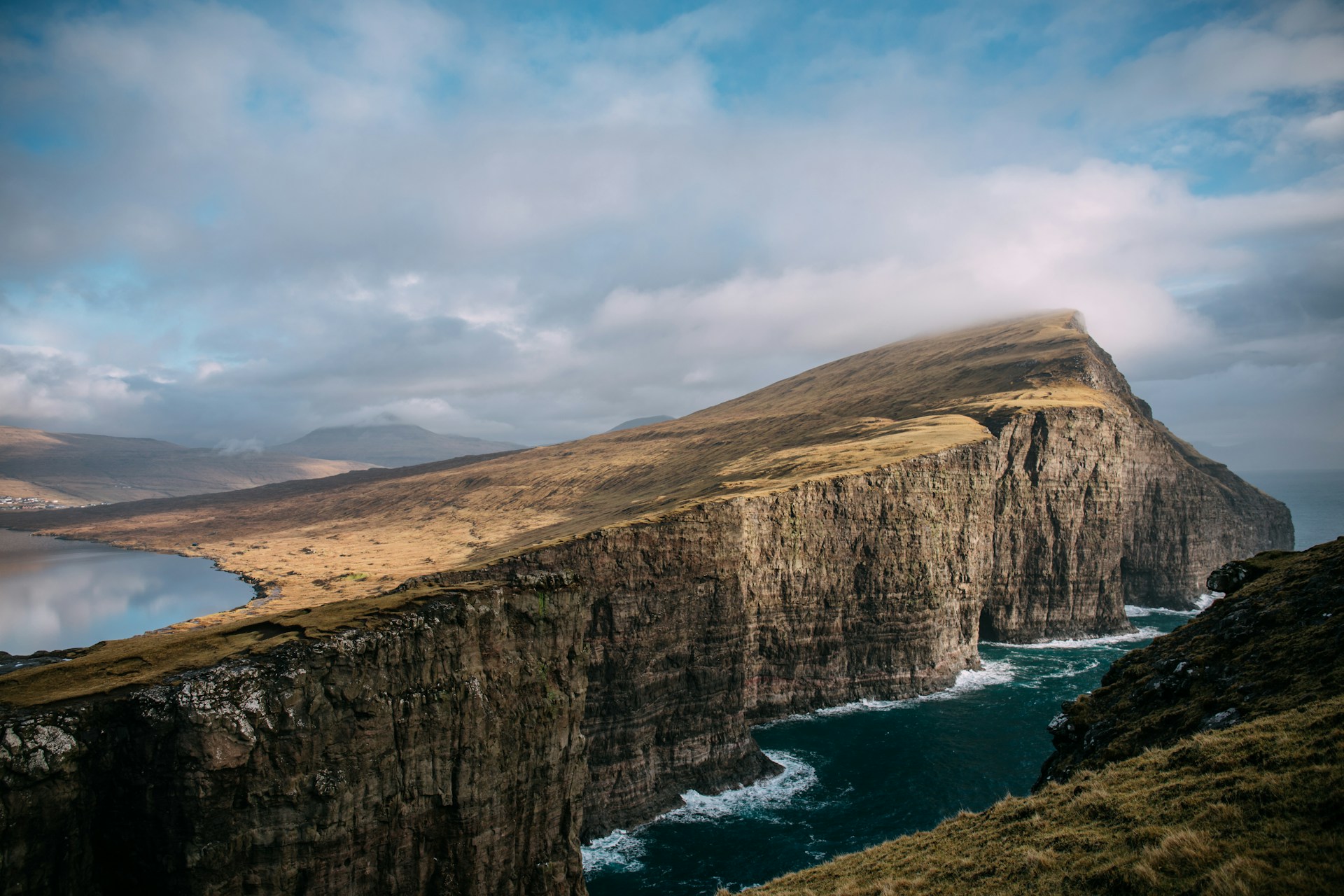
The Faroe Islands are located about 450 km southeast of Iceland where basaltic lava currently emerges along the Mid-Atlantic Rift. Around years ago, the spot on Earth that was to become the Faroe Islands was located on the rift where basaltic lava was erupting, and since then, the area has moved 450 km eastward as the Eurasia and North America plates spread apart along the rift, opening the northeast Atlantic Ocean basin. The islands are on a high area of the ocean bottom, and glaciation has sculpted the current landscape of cliffs.
DecarbFaroe's strategy
Recent geological suggests that basalt layers in Faroe Islands could serve as viable CO2 reservoirs, though their suitability depends on complex factors including fracture networks, pore space distribution, and mineral composition.
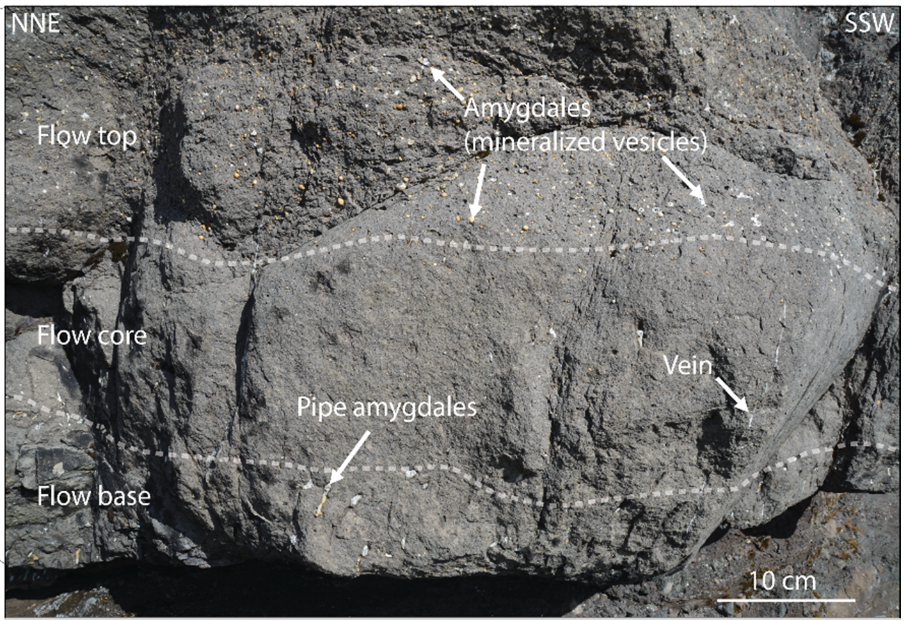
Still, key uncertainties remain. Older basalt formations may differ physically and chemically from the younger, more reactive rocks used in earlier mineralization projects (e.g., Iceland, where basalt is less than 500,000 years old). This raises questions about CO2/rock reaction rates, storage capacity and injectivity. The Faroe Islands pilot is designed to address those unknowns under real-world conditions.
If commercial storage potential is confirmed, the Faroe Islands project could point toward a more dispersed model of carbon storage — one that places smaller, localized injection sites closer to emission sources rather than relying on shipping CO2 to distant large, centralized offshore hubs.
As governments and companies search for scalable carbon removal solutions, the Faroe Islands effort reflects a broader shift toward diversifying storage options beyond more traditional sedimentary geologic settings.
By combining established mineralization chemistry with new geological targets, DecarbFaroe is testing whether onshore basalt storage can move from theory to deployable infrastructure — and whether turning CO2 into rock can become a practical tool in the global carbon removal portfolio.