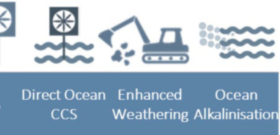
Ocean alkalinity enhancement could eventually remove billions of metric tons of carbon dioxide annually, but uncertain costs, difficult verification, possible ecological effects and incomplete regulation have kept it at the pilot stage.
Full article >>
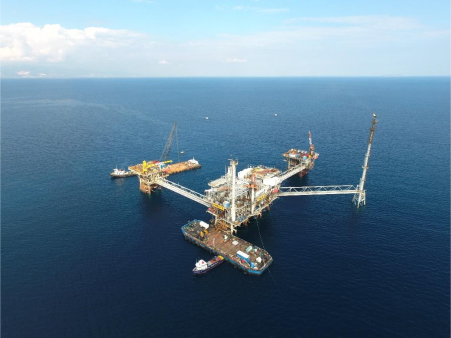
A 1,000-year computer model predicts stored CO2 could migrate through the main top seal above the Bunter Sandstone at a planned U.K. North Sea storage project.
Full article >>
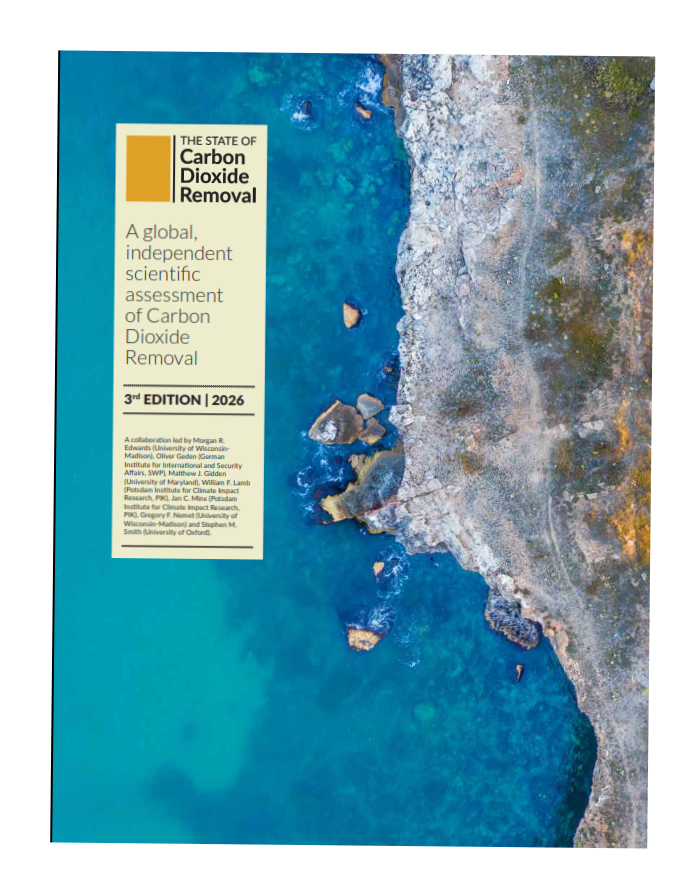
The 2026 State of Carbon Dioxide Removal report finds that carbon removal is growing but still far short of levels needed for climate goals.
Full article >>
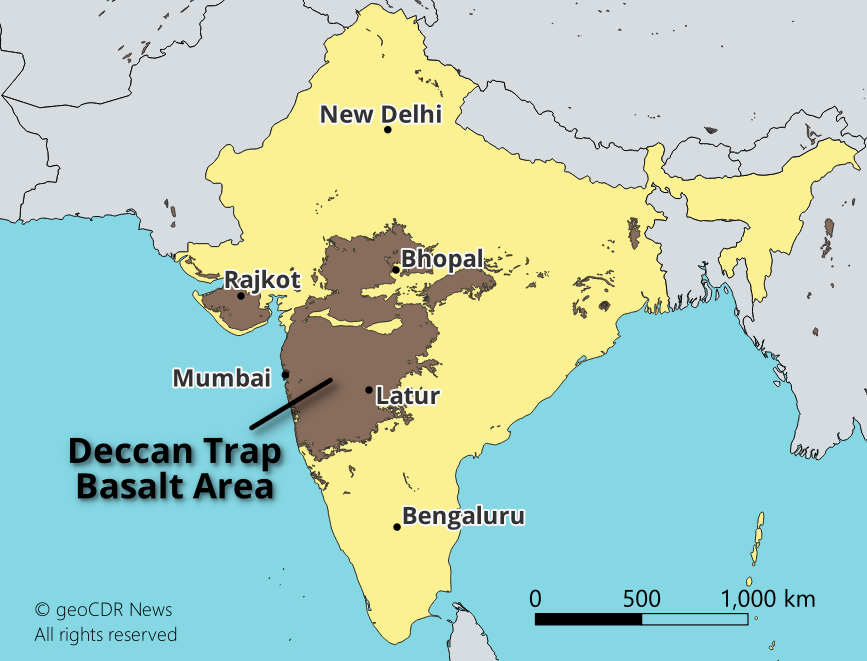
A new study identifies priority areas for underground CO2 storage in India’s Deccan Traps by screening geologic and logistical criteria.
Full article >>
A Norway survey found carbon removal briefings made participants more confident in their views, but not necessarily more supportive of the technologies.
Full article >>
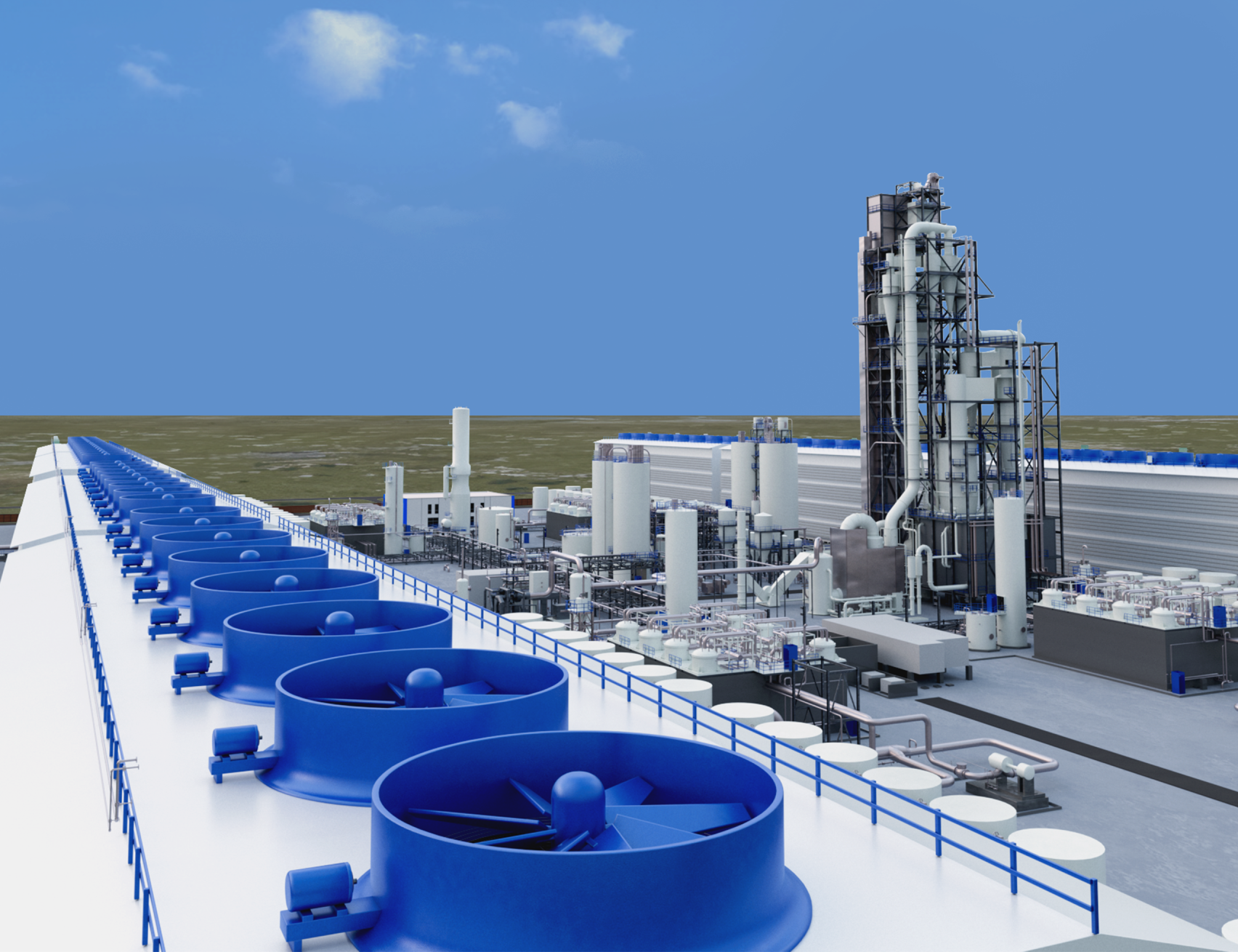
Occidental says STRATOS DAC technology performed as expected during commissioning, but a non-process facility issue may affect the plant’s startup schedule.
Full article >>
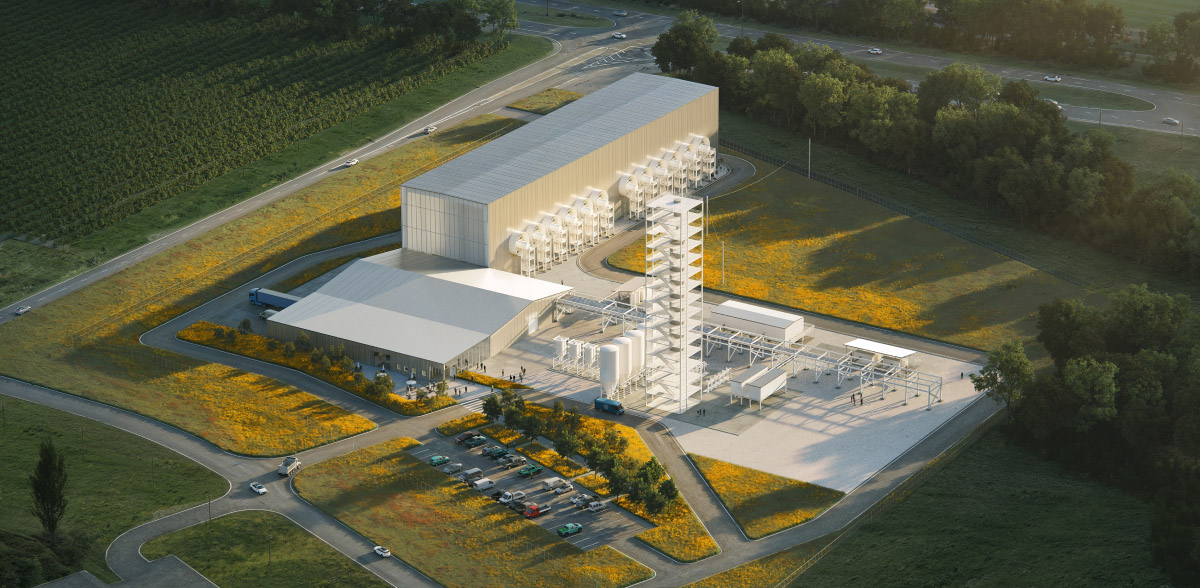
Two U.S. DAC hubs in Louisiana and Texas are moving forward, testing three different carbon capture technologies with shared storage infrastructure.
Full article >>
Cascade Climate has expanded its ERW Data Quarry with new datasets from India, Brazil and Germany, aiming to improve data transparency and MRV for carbon removal.
Full article >>
Researchers in Norway and the Faroe Islands are assessing whether ancient basalt formations can store CO2 through carbon mineralization as a localized alternative to offshore CCS.
Full article >>
China’s 15th Five-Year Plan builds carbon market infrastructure and clean energy systems that could enable future carbon removal, but does not explicitly support geologic methods of CDR.
Full article >>
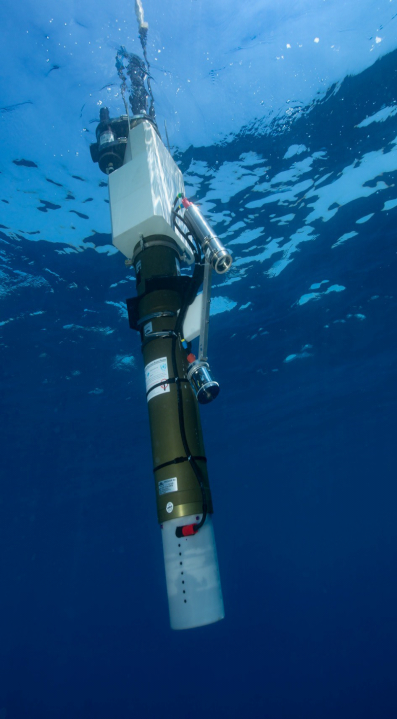
A federally permitted ocean alkalinity enhancement field trial in the Gulf of Maine detected measurable atmospheric CO2 uptake while showing no short-term harm to marine life.
Full article >>
A new review argues that adapting decades-old post-combustion carbon capture technology to direct air capture could cut DAC costs, if redesigned for air’s low CO2 levels.
Full article >>
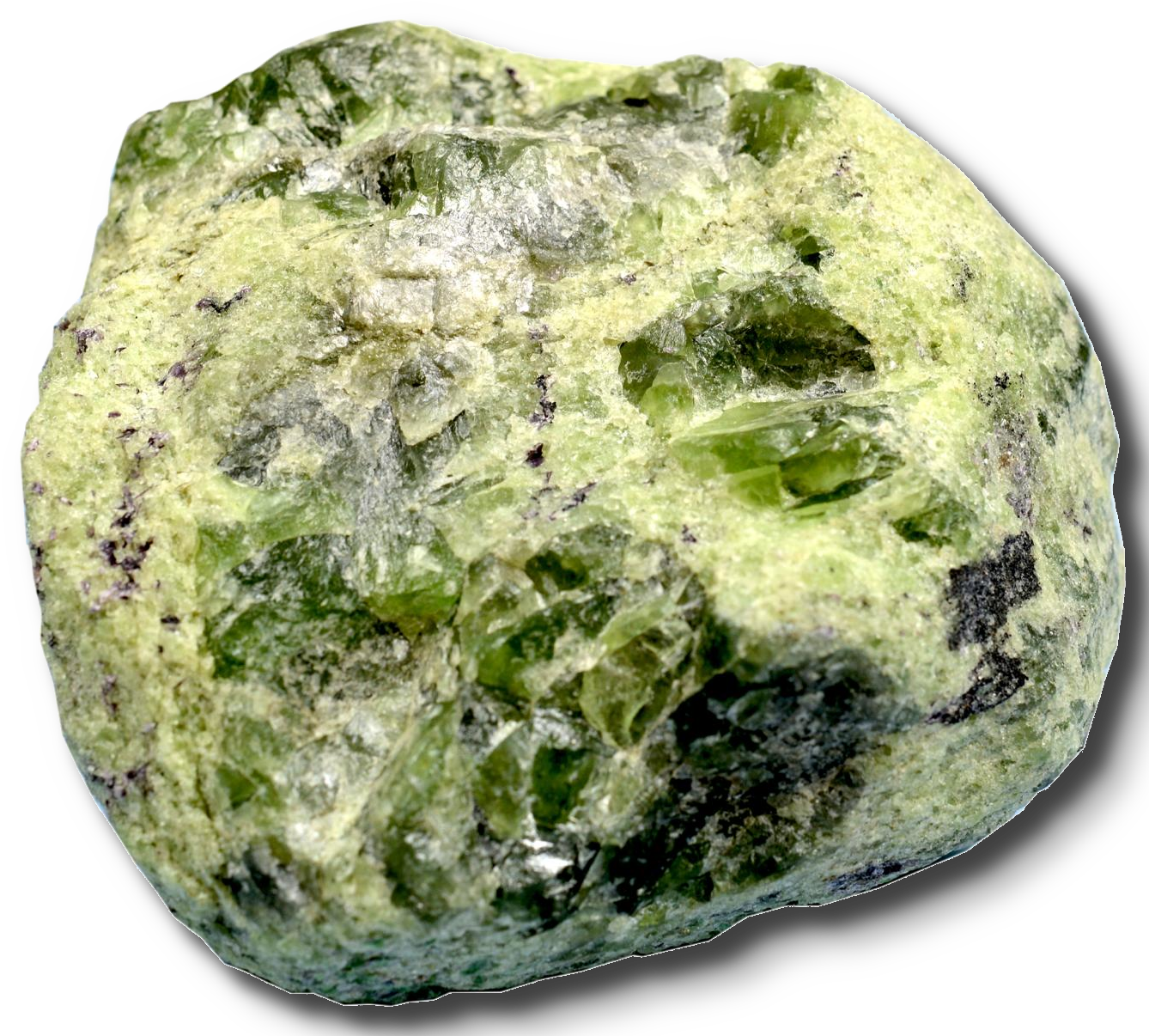
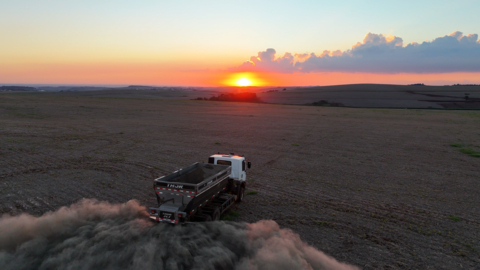
Terradot agreed to acquire the assets of enhanced rock weathering developer Eion, combining contracted credits, olivine-based deployments and MRV capabilities to scale carbon removal in the U.S. and Brazil.
Full article >>
Europe in 2026 is rolling out a sweeping set of carbon-removal standards and policies—from SBTi and ISO updates to CBAM fees, the EU’s CRCF framework, potential EU ETS reforms, CORSIA milestones, and German funding—that together formalize and tighten the region’s approach to net zero.
Full article >>
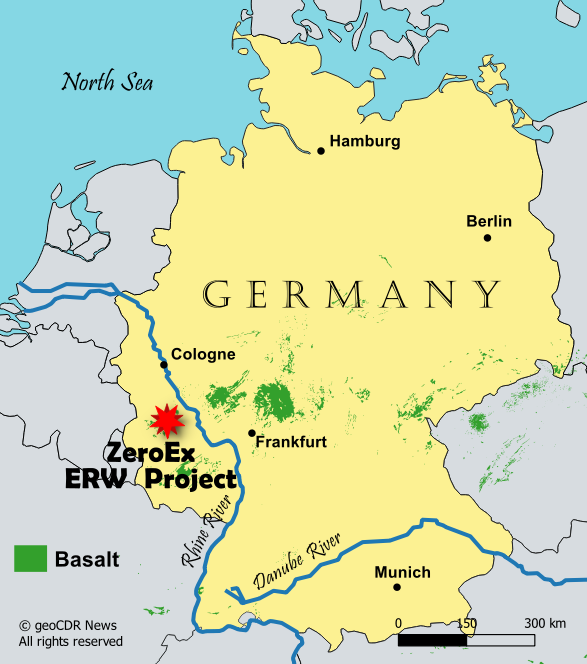
ZeroEx is piloting an enhanced rock weathering project in western Germany that upcycles quarry waste basalt fines into a carbon-negative source of durable CO2 removal using ion-based monitoring.
Full article >>
A new modeling study finds that ocean alkalinity enhancement only works efficiently if minerals are ground extremely fine, as larger particles sink, delay CO2 uptake, and sharply reduce carbon removal.
Full article >>
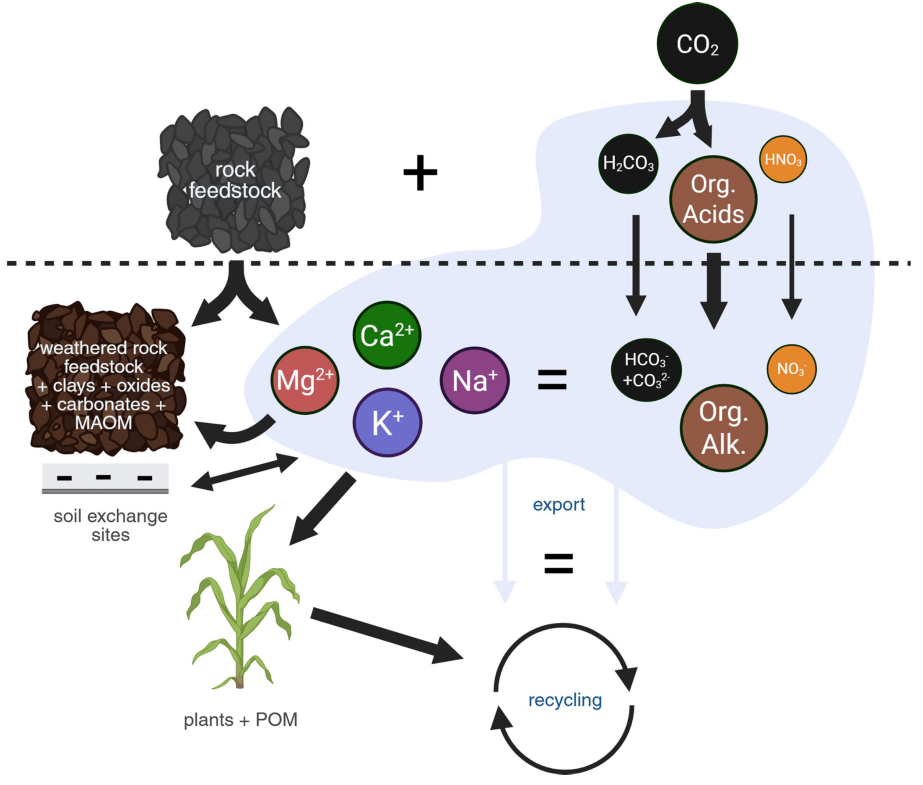
A new scientific review says enhanced rock weathering credits should track metal ions in soil, not carbon, to fix flawed accounting and protect the integrity of carbon markets.
Full article >>
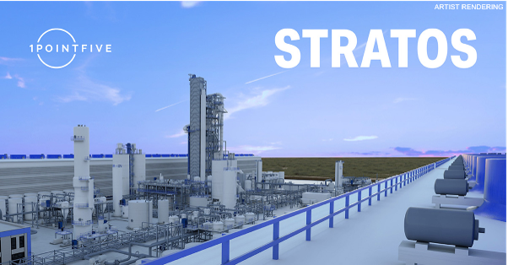
Occidental Petroleum says its flagship STRATOS direct-air-capture plant in West Texas has entered commissioning, marking a key step toward launching what is expected to be one of the world’s largest facilities for permanently storing carbon dioxide underground.
Full article >>
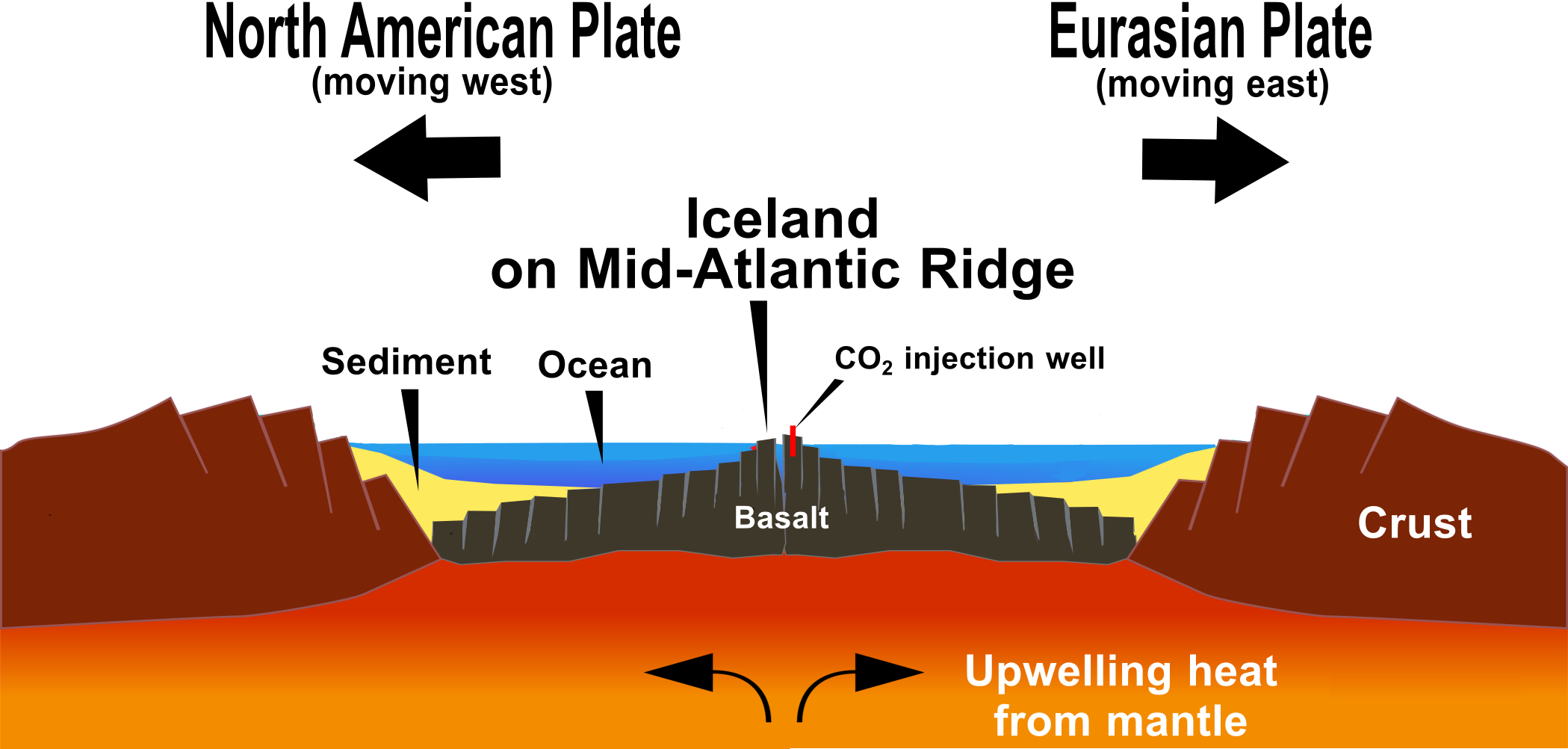
Climeworks is advancing its cost-reduction and scale-up strategy for direct air capture with carbon mineralization (DACCM), while facing high costs, slow ramp-up at its Mammoth plant in Iceland, and uncertainties around U.S. funding for future projects.
Full article >>
Eion has issued the first enhanced rock weathering carbon credits under the Puro.earth registry by deploying finely ground olivine on thousands of acres of U.S. farmland, marking a milestone for ERW at commercial scale.
Full article >>
A new industry-backed template called the OSCAR contract aims to cut legal preparation and speed up carbon-removal purchases by replacing today’s bespoke agreements with standardized terms that buyers, developers, and financiers can use to scale the emerging market.
Full article >>
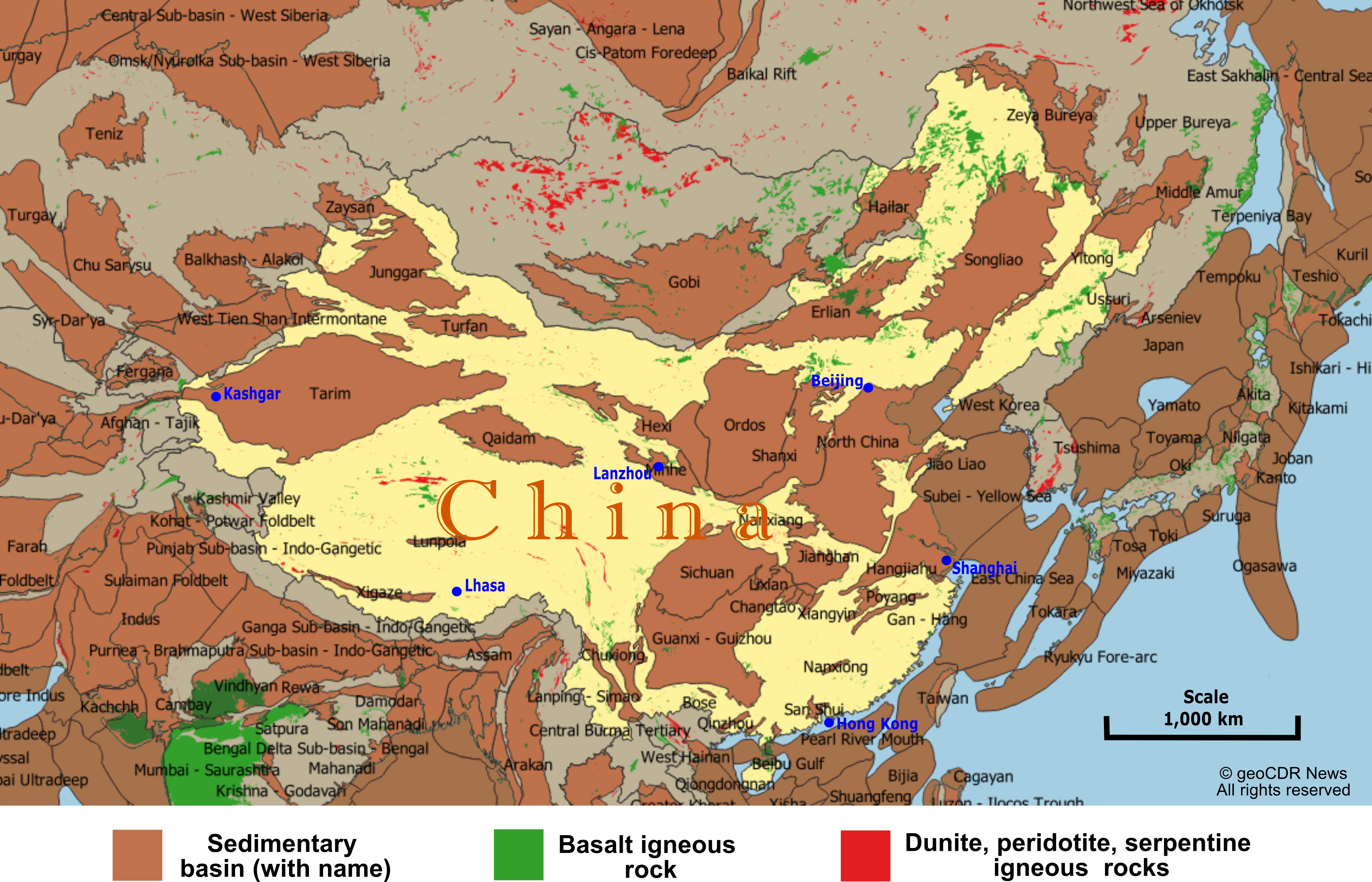
China is pouring its climate efforts into low-cost biological approaches like afforestation while leaving geologic CDR technologies—such as DACCS, ERW, and OAE—largely in the experimental stage despite the country’s vast theoretical storage potential and accelerating emissions goals.
Full article >>
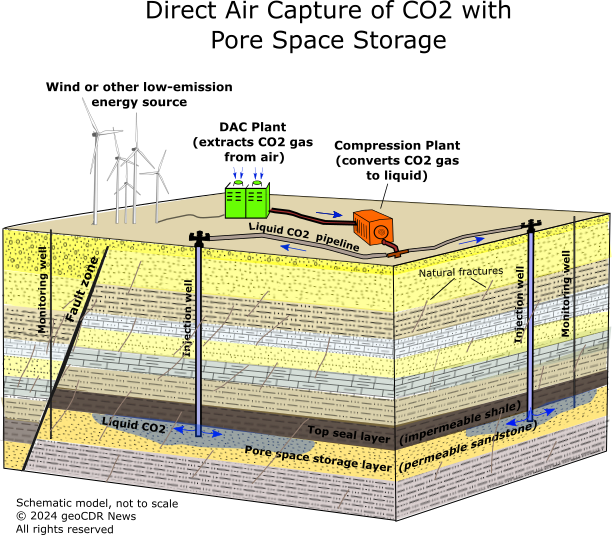
A new study suggests the world may have only about 1,460 gigatonnes of viable pore-space capacity for storing CO2—far less than long-cited estimates—raising the prospect of future storage shortages and intergenerational competition for geologic sequestration sites.
Full article >>
Terradot secured a multiyear deal for Microsoft to buy 12,000 tonnes of carbon-removal credits, giving the ERW developer fresh funding to expand its large-scale scientific monitoring program in Brazil and strengthen verification of its weathering-based carbon removal.
Full article >>
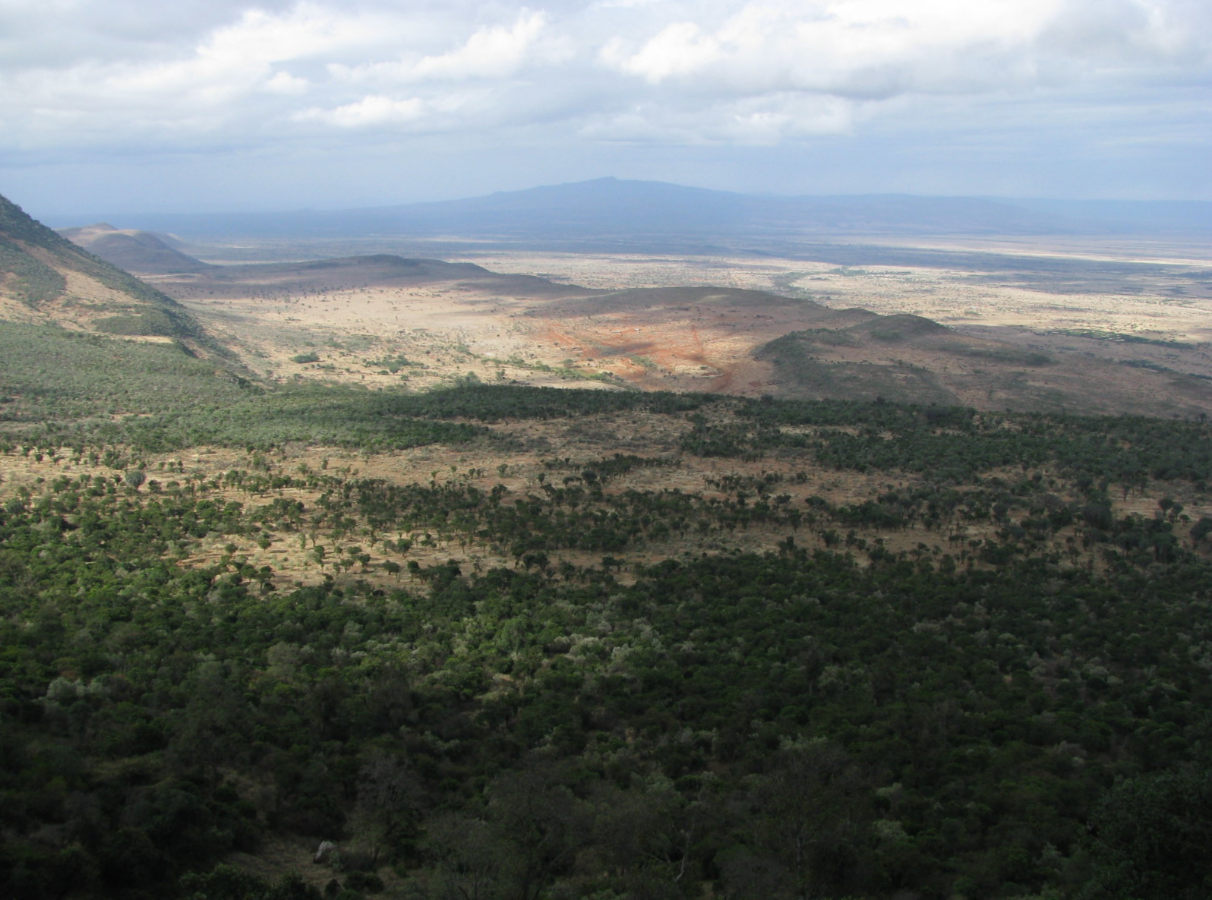
Kenya’s Rift Valley is emerging as a prime location for direct air capture with carbon-mineralization projects, as companies tap the region’s abundant geothermal energy and thick basalt formations to launch the first DACCM ventures outside Iceland.
Full article >>
Ocean alkalinity enhancement is advancing from theory to practice as new research guidelines, more than $55 million in U.S. government grants, and a wave of startups drive early trials and develop the monitoring tools needed to verify carbon removal in the open ocean.
Full article >>
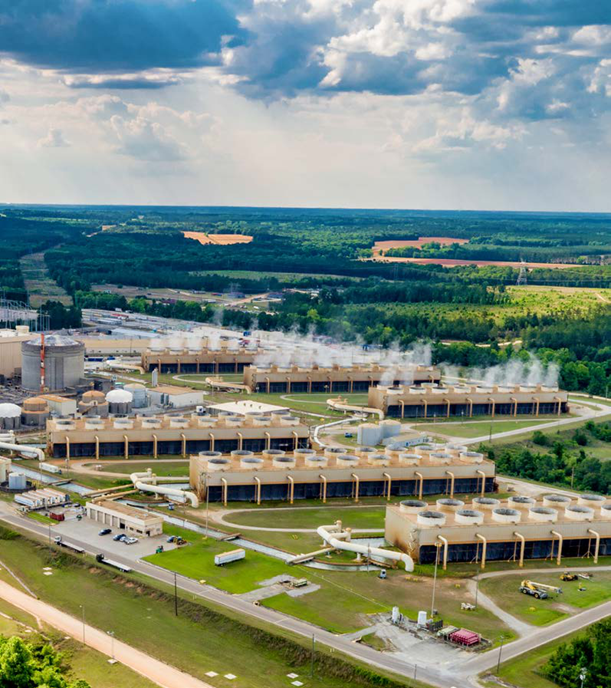
A DOE-backed study finds that using waste heat from Alabama’s Farley nuclear plant to power a pilot direct-air-capture facility could remove CO2 with high efficiency, though the project’s high costs and small scale would pose hurdles for commercial viability.
Full article >>
Greece’s first major CCS project will include a direct-air-capture component, as Energean’s EnEarth subsidiary prepares to store up to 1 million tonnes of CO2 a year in the Prinos offshore field using RepAir’s fully electric DAC system beginning in 2026.
Full article >>
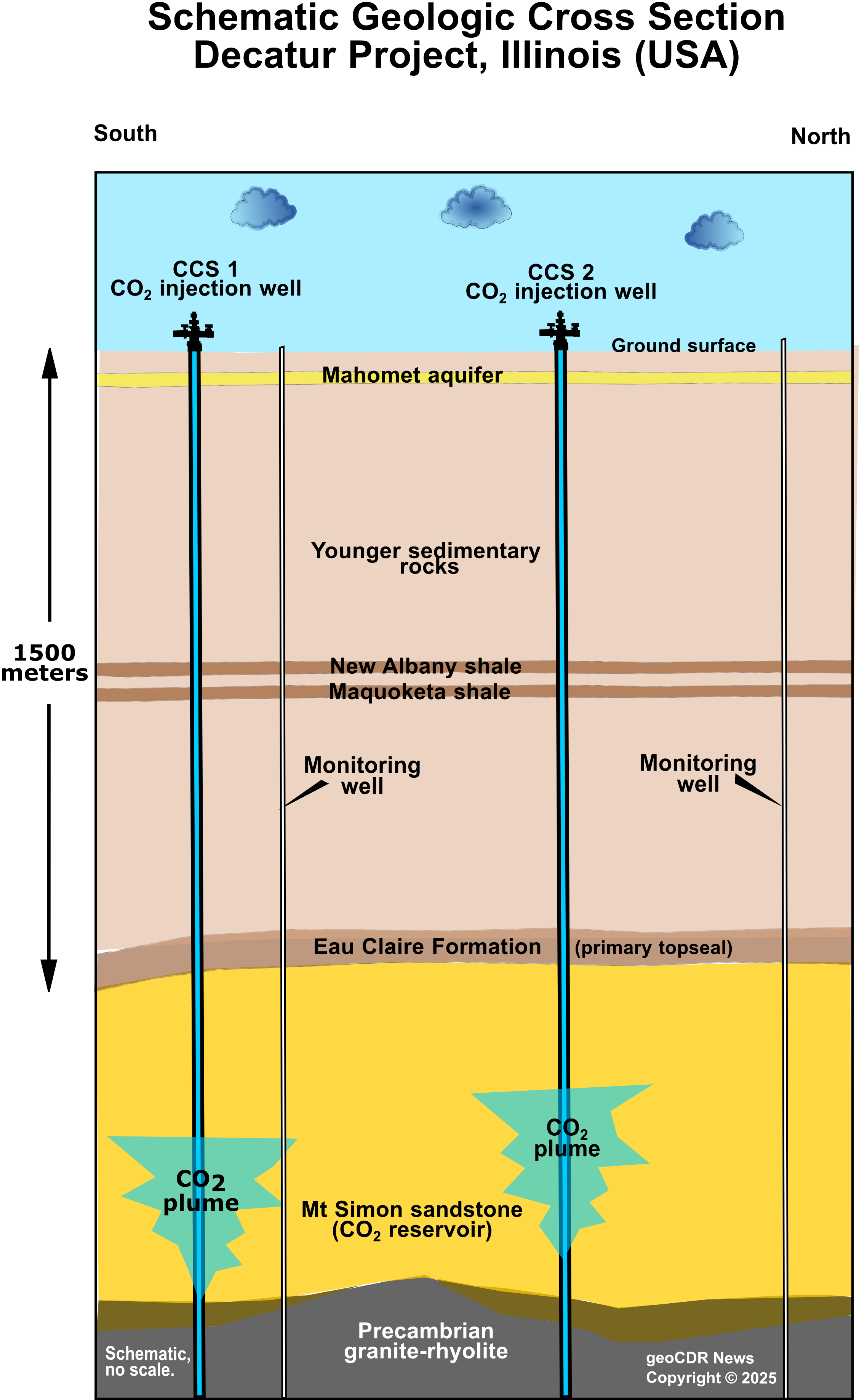
Equipment failures at major CO2-storage sites in Norway and the U.S. — including over-reported CO2 injections at Sleipner and a monitoring-well leak at ADM’s Decatur project — highlight the need for stronger oversight and more rigorous verification as underground storage scales.
Full article >>
Planetary Technologies is accelerating its ocean-alkalinity work—backed by new funding, XPRIZE recognition, and the world’s first OAE-generated carbon credits—while placing greater emphasis on community engagement after local pushback halted a U.K. pilot.
Full article >>
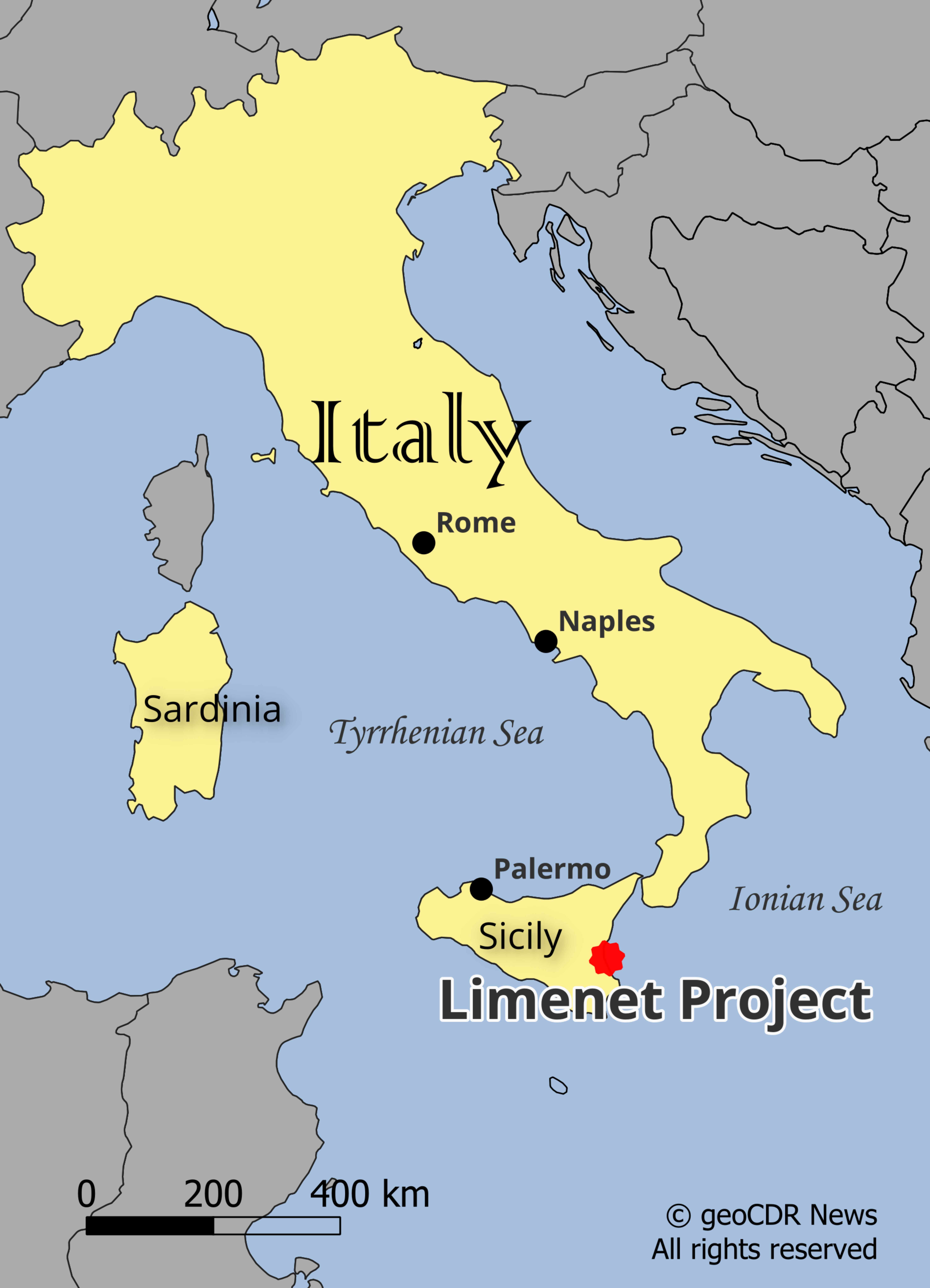
Italian startup Limenet is accelerating its ocean-alkalinity push with new funding, a modular plant in Sicily, and fresh industry credentials—including joining the Carbon Business Council and securing verified carbon-removal sales—as it positions itself as a rising player in ocean-based CDR. Limenet's project uses limestone feedstock for OAE, rather than basalt. Full article >>